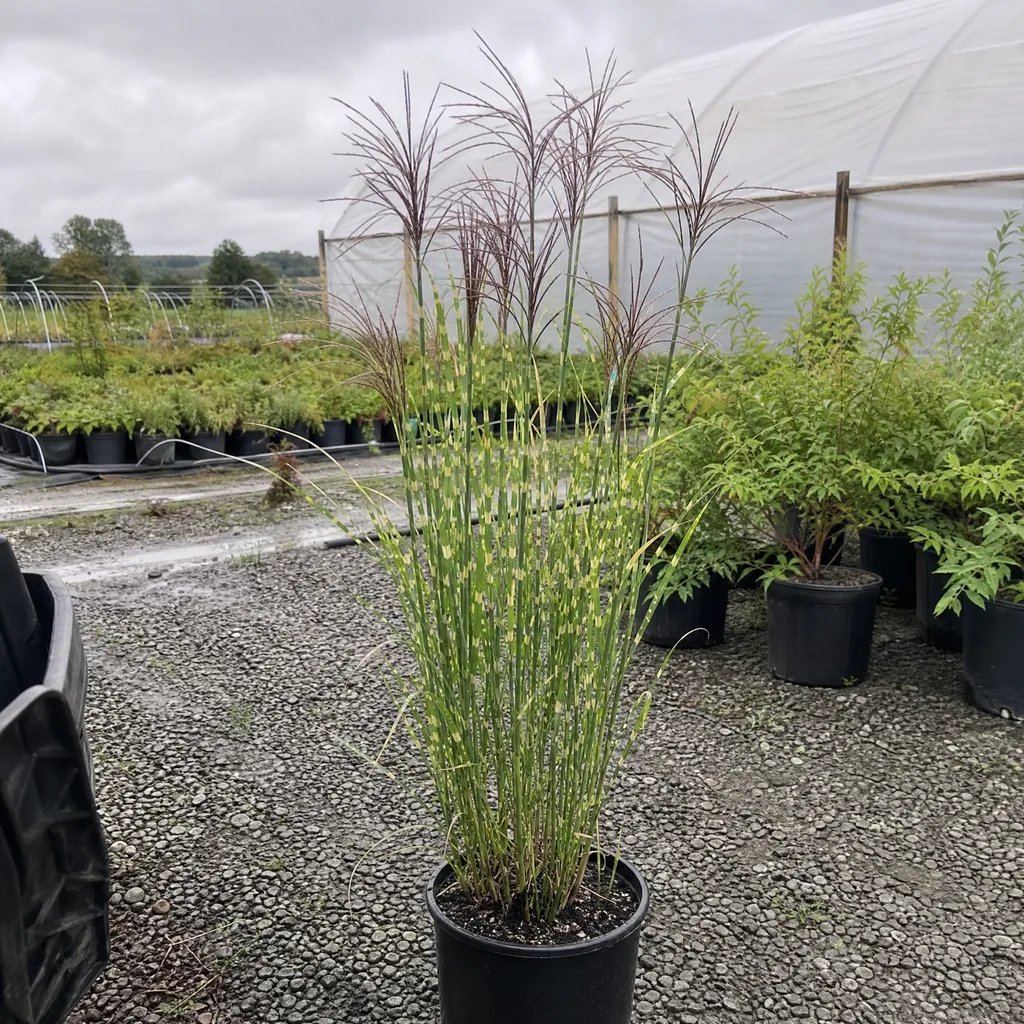
Porcupine Grass
Miscanthus sinensis 'Strictus'
Nursery-grown Porcupine Grass, Tall Ornamental, Ready to Plant
This size is not in the online store yet. Ask about availability and we will reply with current stock.
- Secure checkout
- Ships in its nursery container
- Growing guides included
- Reaches 5-7 feet tall with coppery plumes and silvery fall color from mid-season onward
- Deer and rabbit resistant, tolerates clay soil, and adapts to zones 5-9
- Fits borders, screens, large containers, and slopes with minimal maintenance once established
- USDA zones
- 5-9
- Mature height
- 5-7 ft including flower plumes
- Sun
- full sun
- Bloom time
- late summer into fall
About this plant
Porcupine Grass is a 5- to 7-foot warm-season perennial that commands attention from late summer through fall. Its upright, densely packed stems create a striking vertical presence in borders and screens. Coppery-pink plumes emerge in late summer, maturing to silvery-white, while foliage transitions to warm tan and gold. It's deer and rabbit resistant and tolerates clay soil, making it a low-fuss statement plant in zones 5-9. Its parent species can self-seed into natural areas in warm, humid regions and some places restrict planting, so check local guidance before planting near woods or waterways.
Your Porcupine Grass arrives in a nursery container, ready to plant in the ground or a large pot. Upon opening, water the root ball thoroughly if the soil feels dry. Dig a hole at the planting location, position the plant at the same depth, backfill firmly, and water in deeply. Water regularly for the first 2-3 weeks as the root system establishes contact with the surrounding soil.
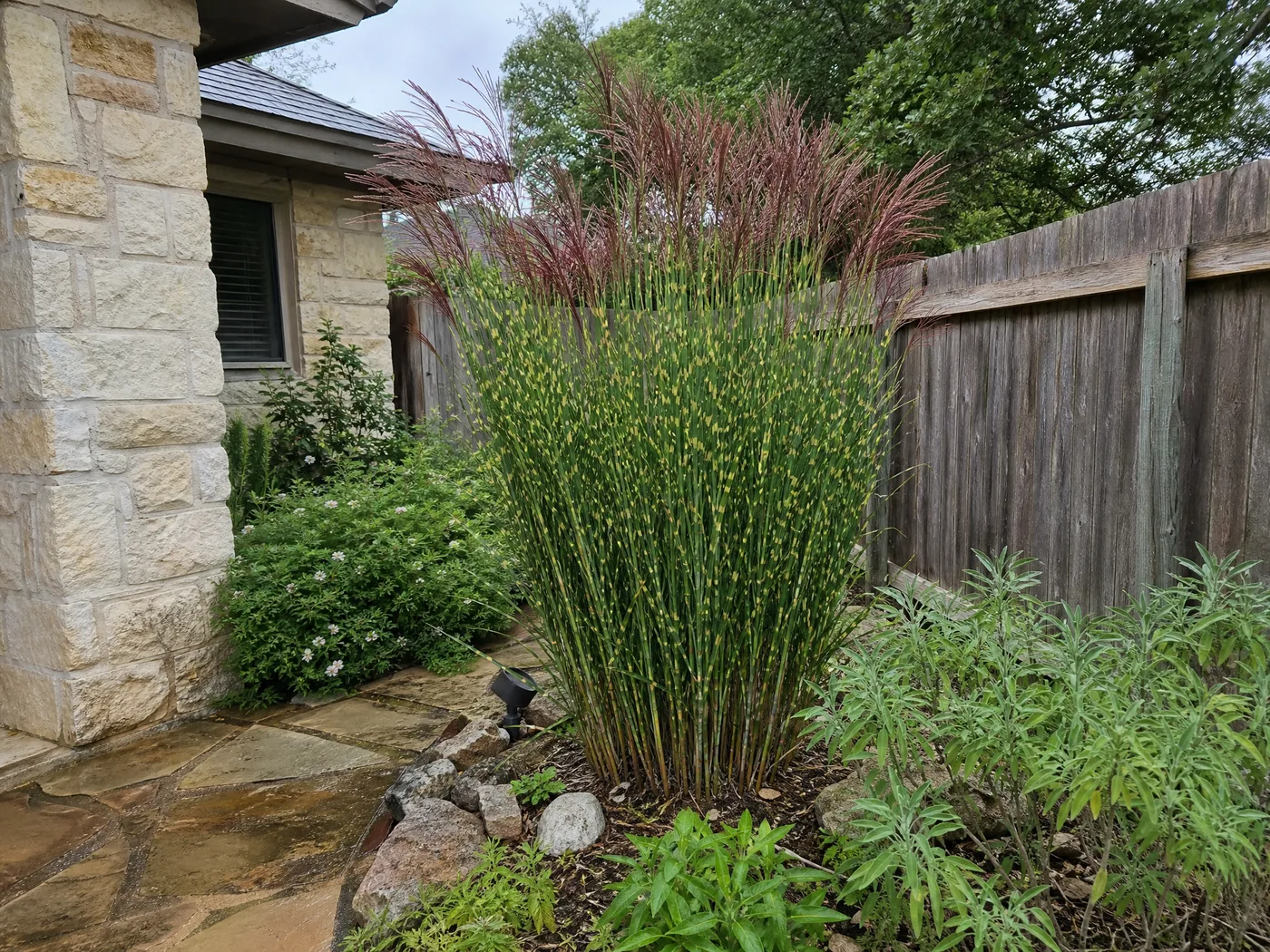
Porcupine Grass for height and screening
Plan for 5 to 7 feet of upright growth, then choose the site.
Seasonal hedge
Set clumps 3 to 4 feet apart to form an informal screen.
Back of bed
Put it behind coneflower and black-eyed Susan as the tall vertical layer.
Clay soil spot
It copes with clay, and browsing deer and rabbits tend to ignore it.
Starter pot
Young plants start well in a pot, but a mature clump needs a big one and regular water.
Not ideal for: Small beds are a poor match, because 5 to 7 feet will overwhelm them.
Good to know: It can self-seed into natural areas in warm, humid regions, so avoid woods and waterways.
Porcupine Grass at a glance
| Botanical name | Miscanthus sinensis 'Strictus' |
|---|---|
| Plant type | ornamental grass (warm-season herbaceous perennial grass) |
| USDA zones | 5-9 |
| Mature height | 5-7 ft including flower plumes (up to 7-8 ft in bloom); can run smaller (4-5 ft) in cooler zones or shorter seasons |
| Mature width | 3-4 ft clump spread |
| Sun | full sun for best color, flowering, and upright habit; tolerates light/part shade but foliage bands are less distinct and stems may flop |
| Water | average, consistent moisture; established plants tolerate short dry spells but perform best without prolonged drought |
|---|---|
| Bloom time | late summer into fall (roughly August-October, cultivar and region dependent) |
| Bloom color | coppery-pink to reddish plumes that mature to silvery-white/tan |
| Growth rate | moderate to fast once established; gains roughly 1-2 ft of height per year until reaching full size in its 2nd-3rd season |
| Deer resistance | good - generally deer and rabbit resistant |
| Best planting time | spring after last frost is ideal; can plant in early fall in milder (zone 7+) climates to allow root establishment |
Container sizes explained
| Quart / QT | A 4 inch pot, roughly one quart of soil. A young starter plant, the most economical way to buy several. |
|---|---|
| #1 / 1 Gallon | A trade one gallon pot (about 6.5 inches). One to two seasons older than a quart, with an established root system. |
| #3 / 3 Gallon | A trade three gallon pot (about 10 inches). A well-developed shrub or small tree, often 2 to 4 feet tall on arrival. |
Questions before you buy
Which size should I choose?
Quart containers are ideal for smaller spaces or patient growers and are commonly used for staggered plantings. #1 and #3 sizes are more established and create faster visual impact in the landscape. All sizes will reach the full mature dimensions in 2-3 growing seasons under good care.
When should I plant my Porcupine Grass after it arrives?
Plant as soon as your site is ready, ideally in spring after the last frost. In milder climates (zone 7 and up), early fall also works. Full sun gives the strongest upright habit, though part shade is tolerated.
How tall and wide does Porcupine Grass get?
Porcupine Grass matures to 5-7 feet tall (including flowering plumes) and spreads 3-4 feet wide. In cooler zones or shorter growing seasons, height may range from 4-5 feet. It gains roughly 1-2 feet of height per year until reaching full size, typically in 2-3 growing seasons.
How much sun does it need?
Porcupine Grass performs best in full sun, where the upright habit is strongest, the foliage bands are most distinct, and flowering is most prolific. It tolerates light or part shade, but stems may lean or flop without the full-sun structure, and color intensity drops.
What zones is Porcupine Grass hardy in?
Porcupine Grass is hardy in USDA zones 5-9. In cooler zones, it may be smaller (4-5 feet) at maturity.
What's the main care during the first year?
Water consistently for the first 2-3 weeks to establish the root system. After that, Porcupine Grass is drought-tolerant but performs best with average, regular moisture. In late winter, cut the dried stems to the ground before new growth emerges to make room for next season's foliage.
Growing guides for Porcupine Grass
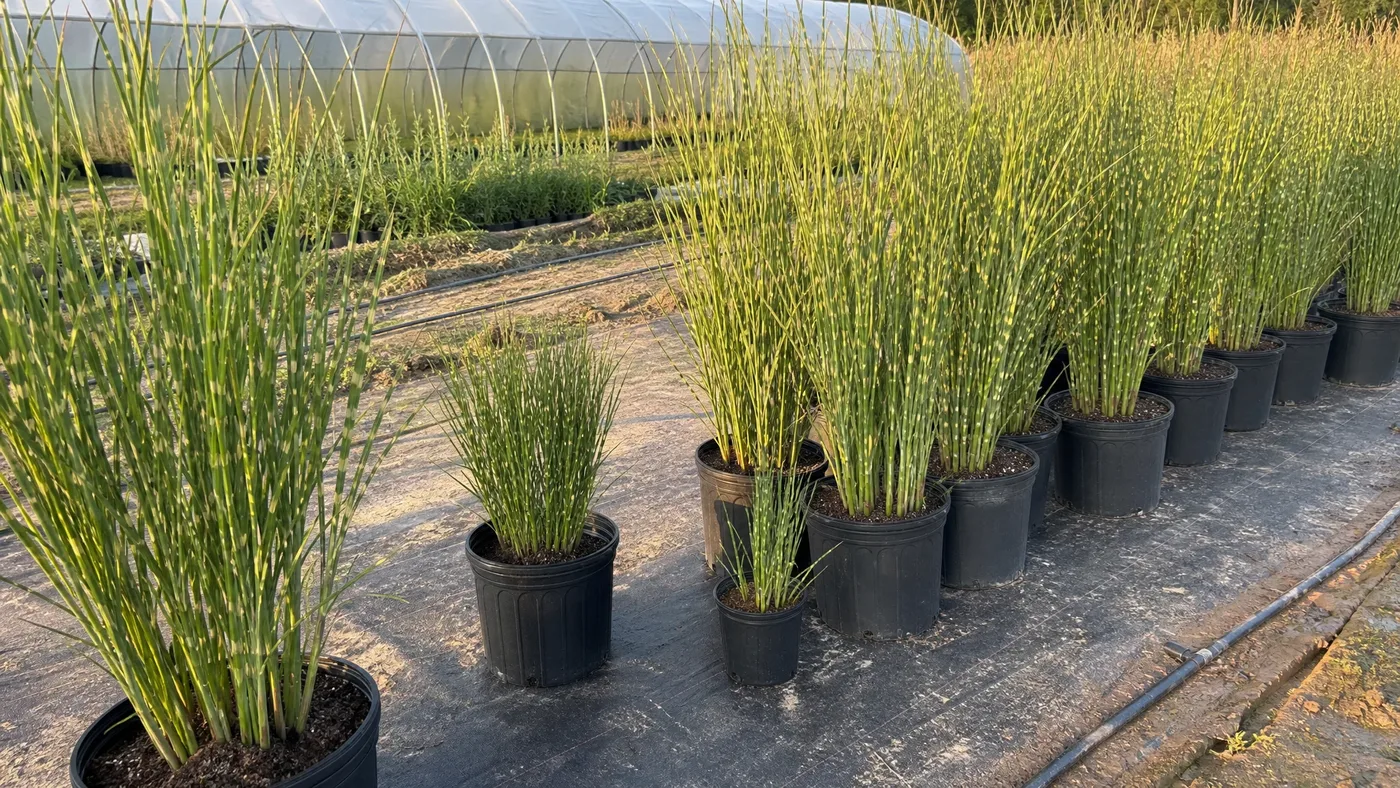
Buying Porcupine Grass: Container Sizes and What to Look For
Helps match pot sizes and quality signs to your landscape
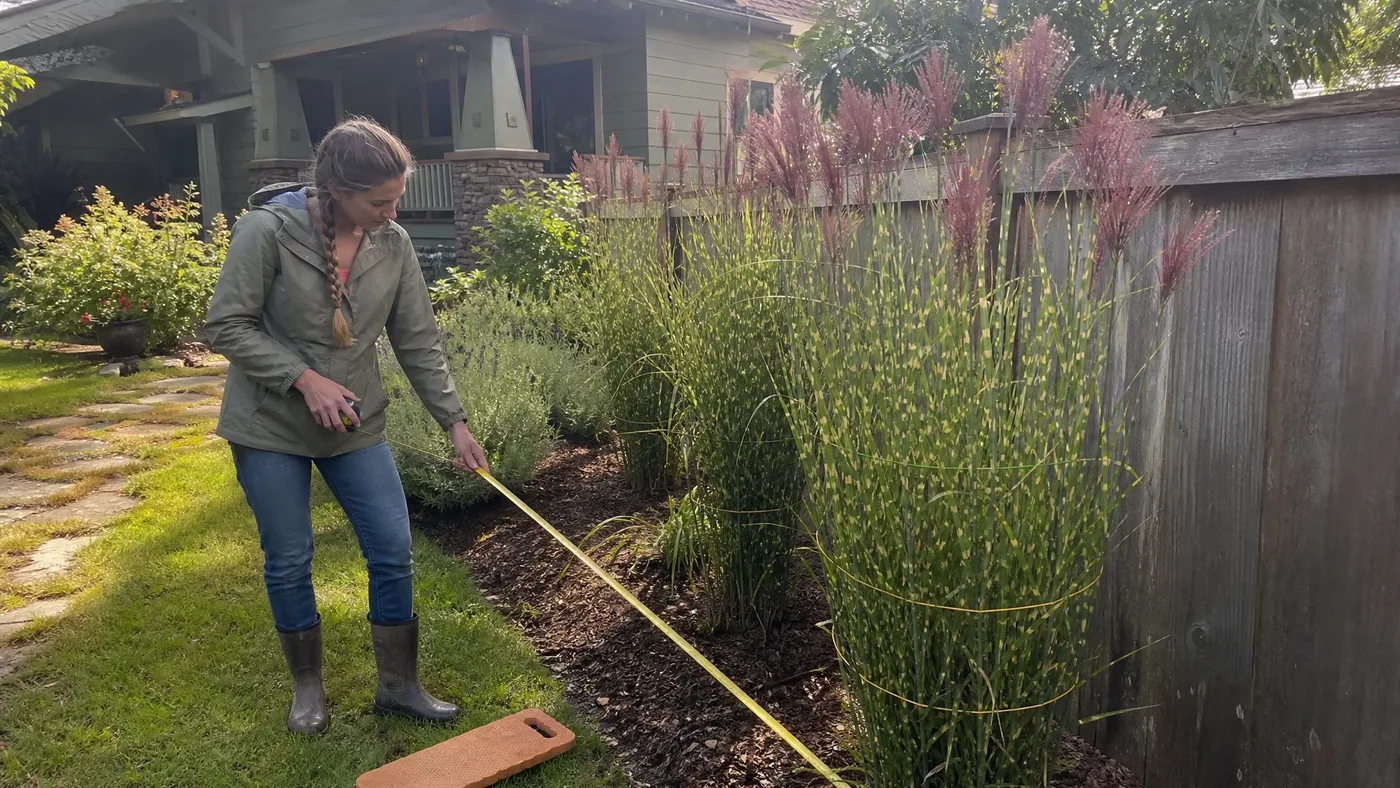
Porcupine Grass vs Gracillimus Maiden Grass: Size and Texture
Compared along a 30-foot fence for blade texture, plant counts, and the final pick
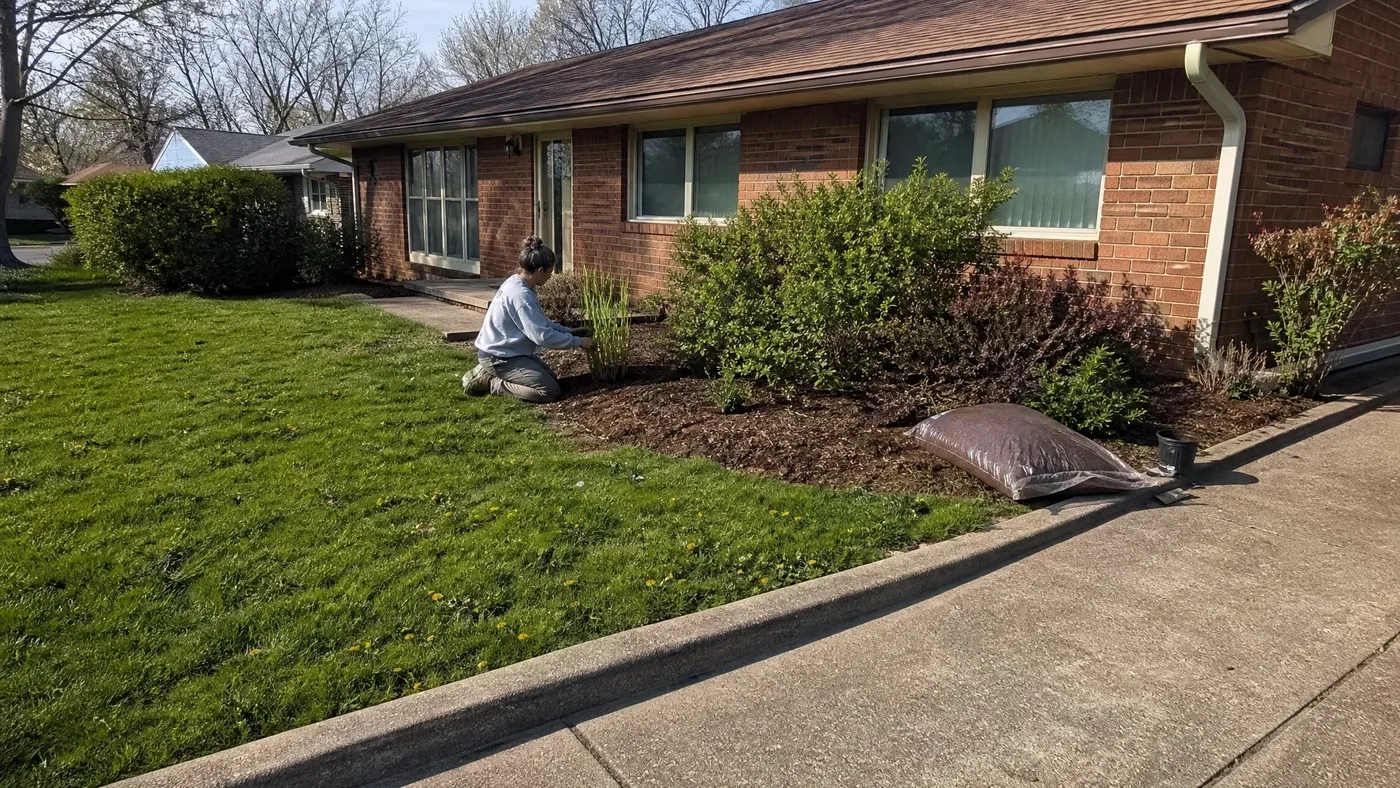
How to Plant Porcupine Grass: Site, Timing and First Weeks
Choose the site, pick the planting window, and handle the first few weeks
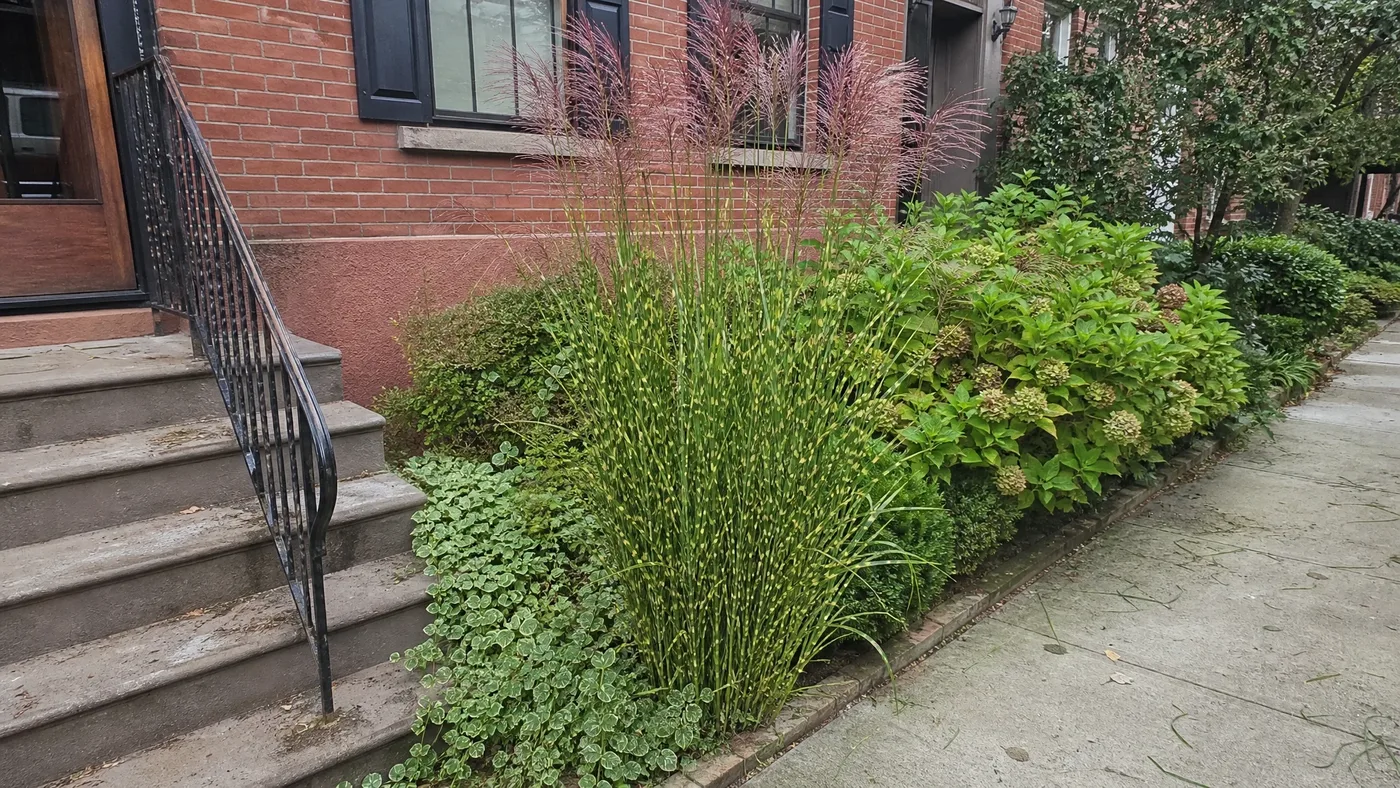
Porcupine Grass Care: The Complete Growing Guide
A full-year routine for watering, cutting back, and seasonal upkeep of Miscanthus strictus
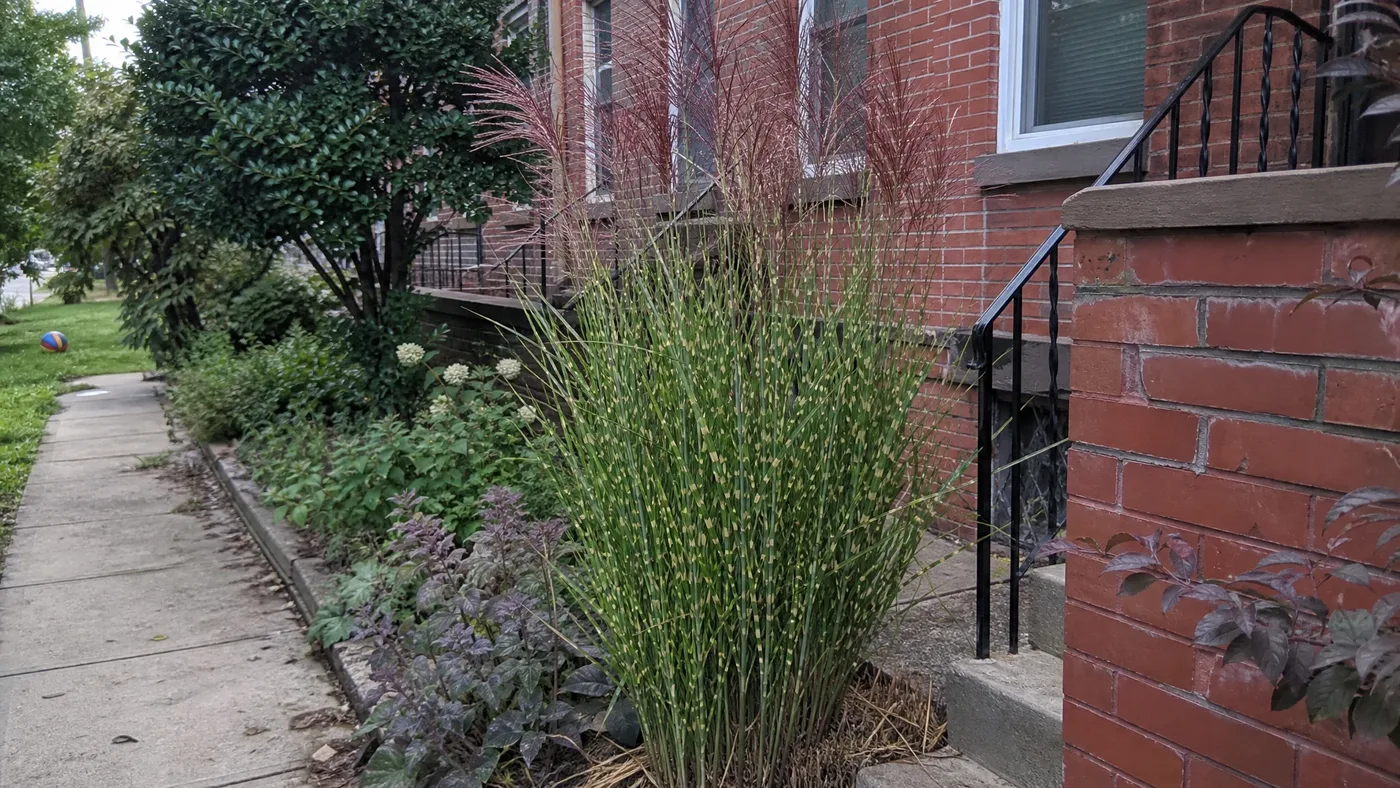
How Big Does Porcupine Grass Get? Size and Growth Rate
Stands 5 to 7 feet tall and 3 to 4 wide at maturity
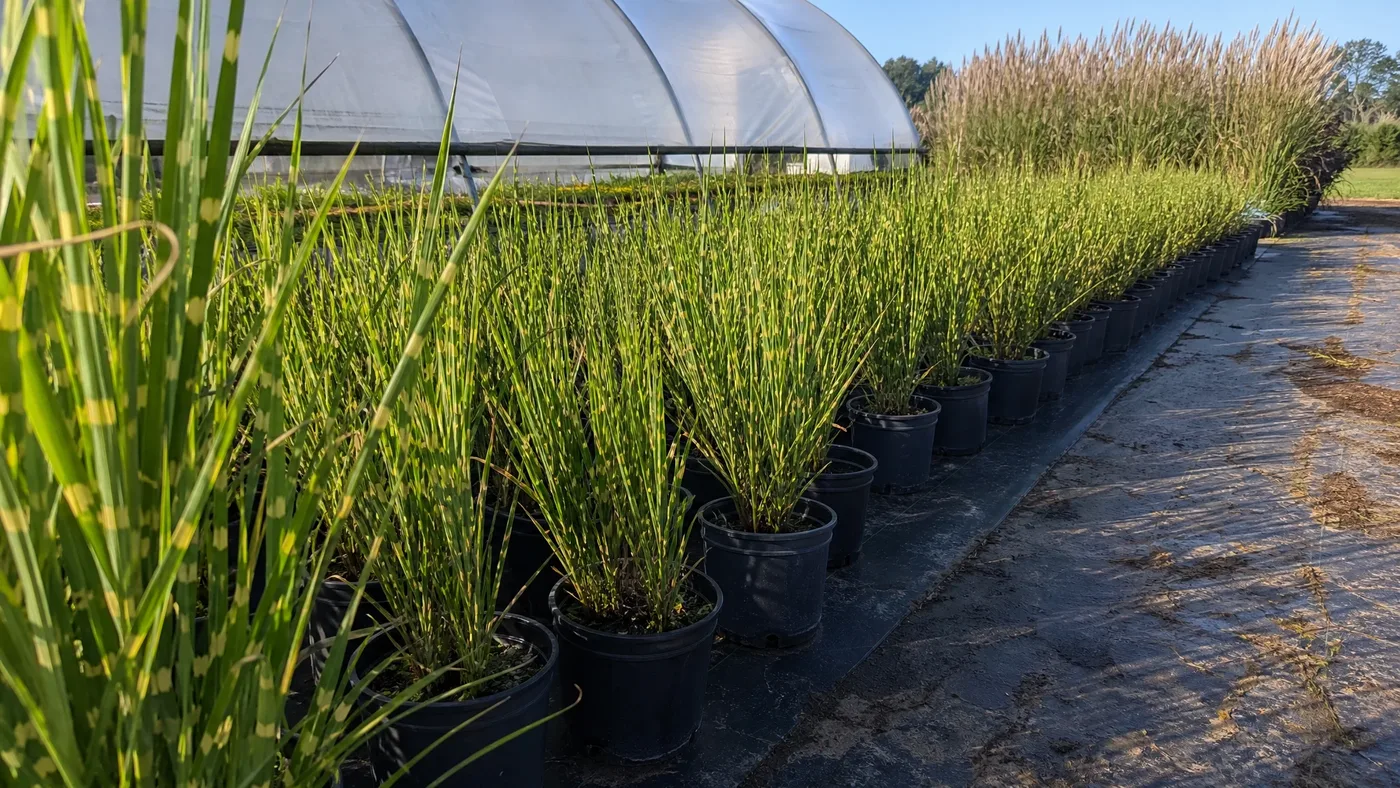
Porcupine Grass vs Giant Miscanthus: Why Size Matters at Purchase
Flowering height of 6 to 8 feet sets it apart from giant miscanthus
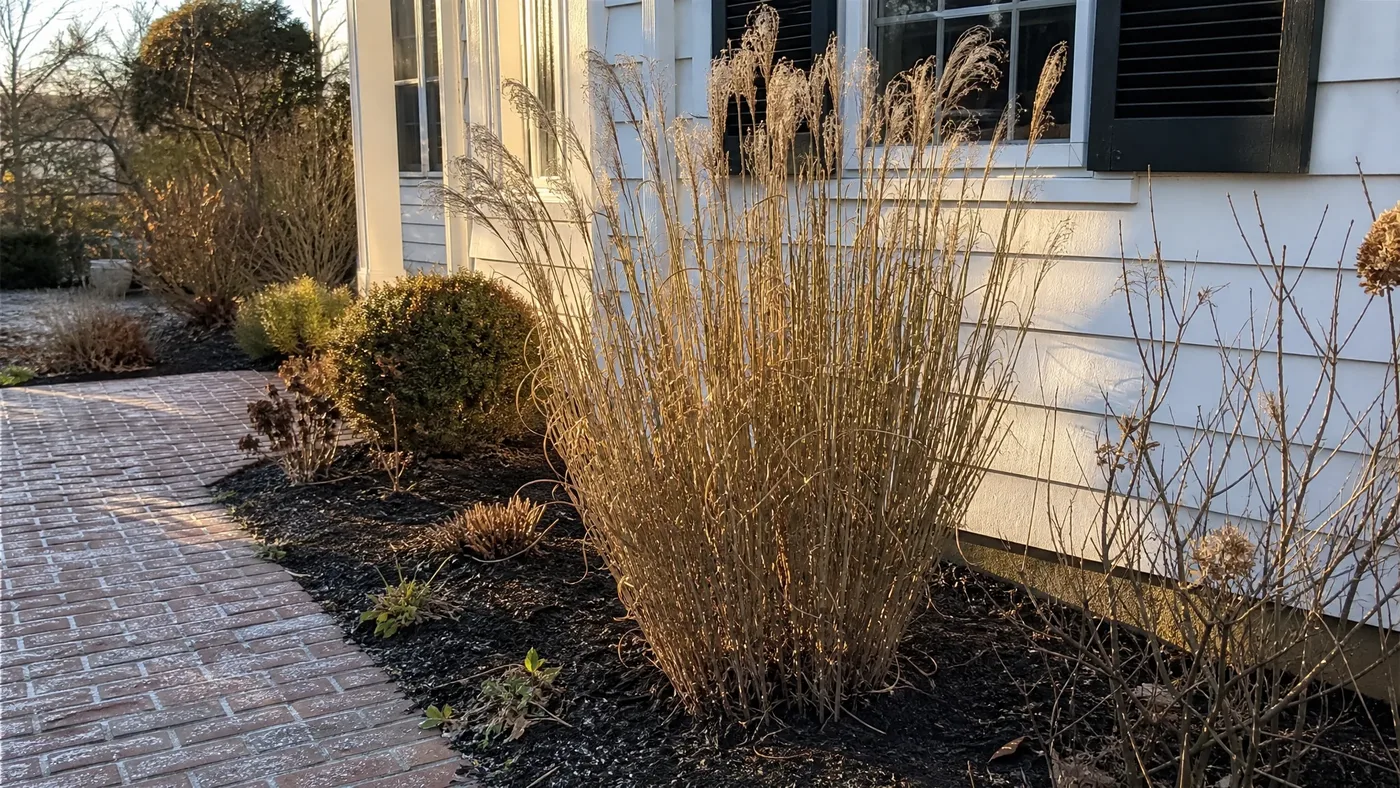
Porcupine Grass Hardiness Zones: Where It Grows Best
Thrives in zones 5 to 9, with timing and winter survival pointers by region
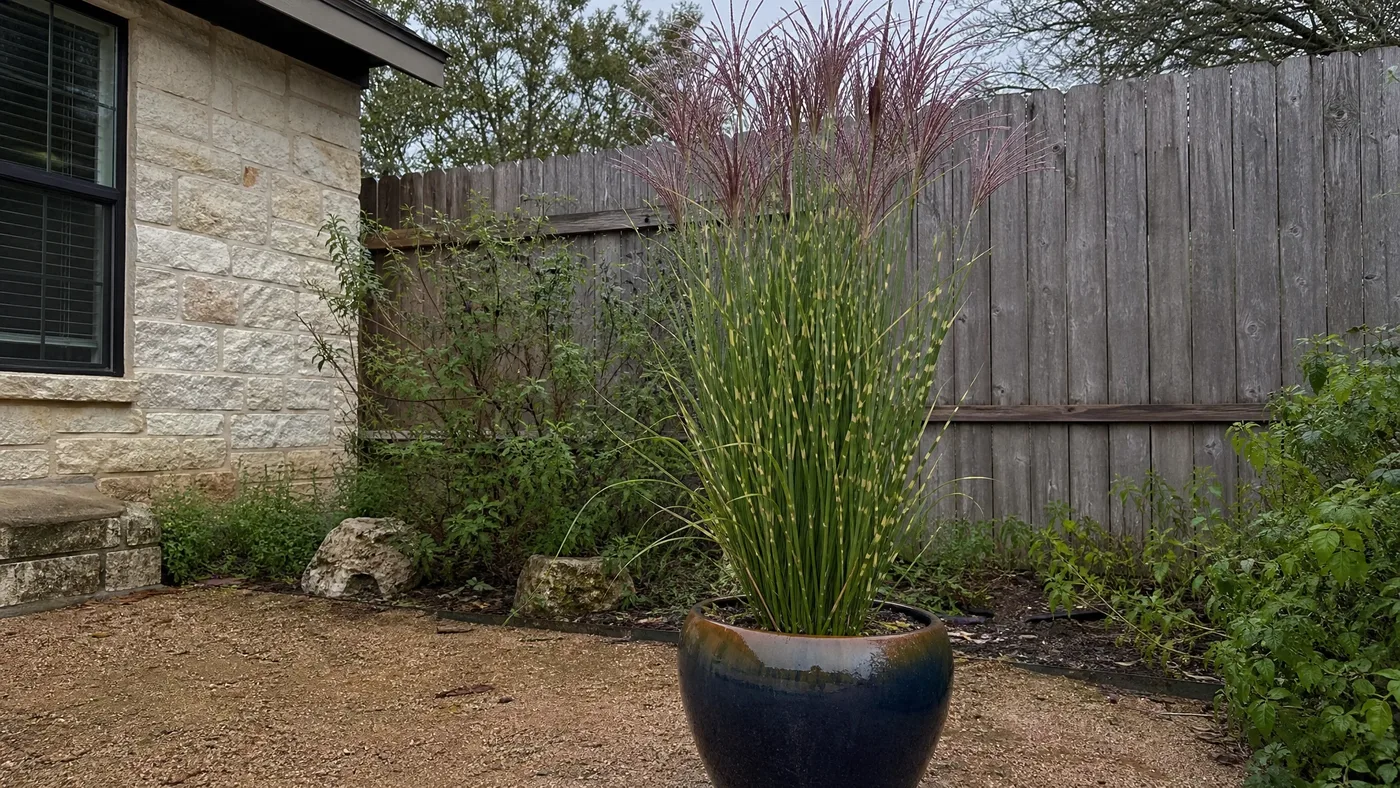
Growing Porcupine Grass in Pots and Containers
Feeding, soil mix, and pot size for a tall grass in a container
Buy Porcupine Grass
From $19.99 · 3 sizes